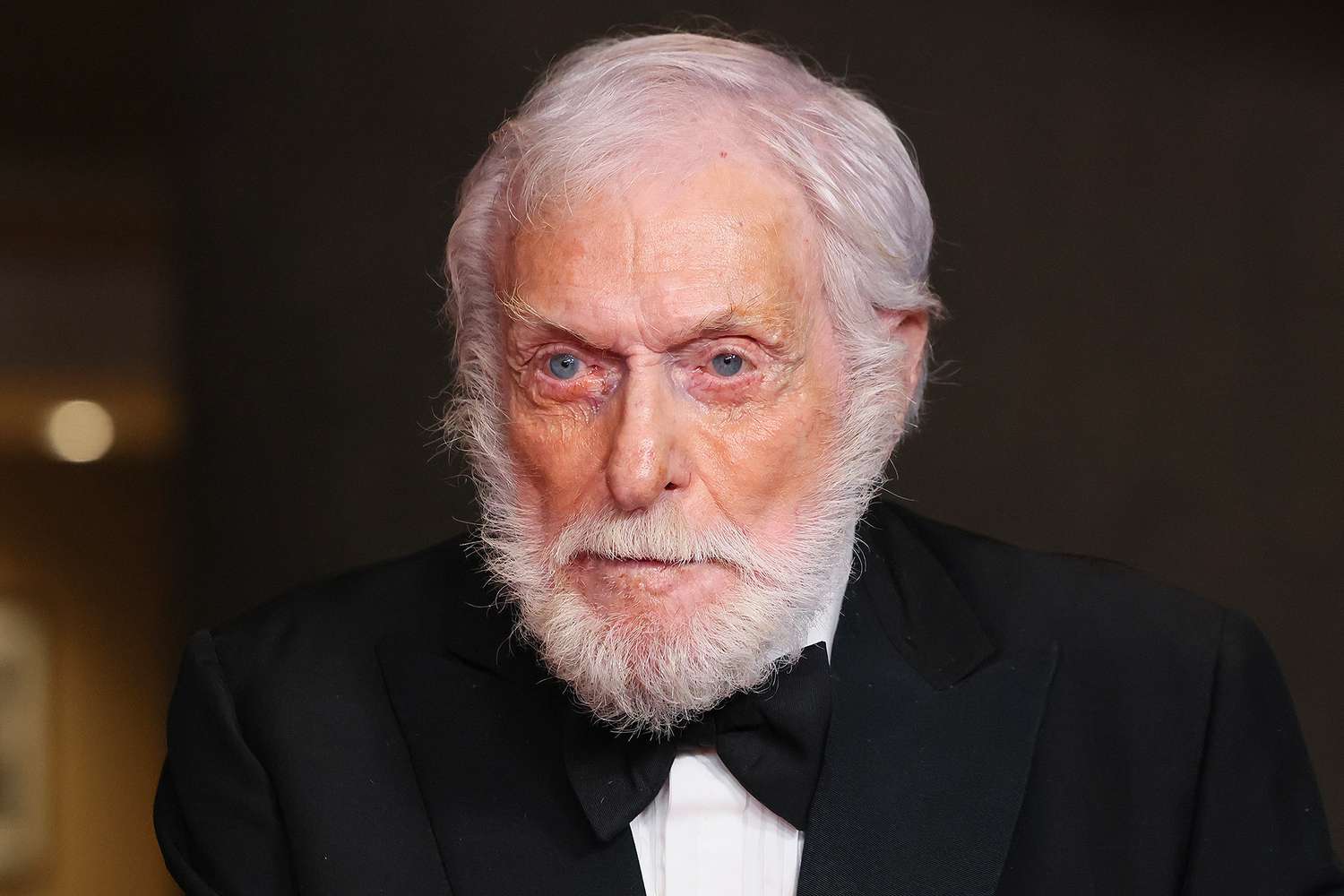
Dick Van Dyke Reaches 100 as Research Highlights the Possible Power of Optimism and Purpose
A Milestone Birthday for a Hollywood Legend
At the end of 2025, Dick Van Dyke reached a milestone few people ever experience.
The beloved actor, long associated with an energetic personality, a warm sense of humor, and his unmistakable ability to perform with a “twinkle in his eye,” turned 100 years old.
Just before reaching the century mark, Van Dyke published a book titled 100 Rules for Living to 100: An Optimist’s Guide to a Happy Life.
The title reflected an attitude he had carried through much of his life.
“I never wake up in a bad mood,” he said ahead of the book’s publication.
For someone who had lived for a full century, that statement was striking.
It also raised a broader question that scientists have been increasingly interested in exploring: could optimism itself play a role in helping people live longer?
Optimism May Be More Important Than It Seems
There is no single formula that guarantees a person will live to 100.
Genetics, lifestyle, health conditions, relationships, activity levels, and simple chance can all influence how long someone lives.
Even so, growing evidence suggests that maintaining a positive outlook may be one factor associated with greater longevity.
Health scientist Jolanta Burke discussed this idea in 2025, noting that research had increasingly linked optimism with longer life expectancy.
“Numerous studies have shown that keeping stress levels low and maintaining a positive, optimistic outlook are correlated with longevity,” she noted.
The finding does not mean positive thinking alone can prevent illness or guarantee a long life.
Instead, optimism may be one part of a larger pattern of behaviors and emotional habits that support healthier aging.
A Long-Term Study Offered an Early Clue
One of the most interesting examples comes from a long-term study involving novice nuns that began in the 1930s.
When the participants were young, they were asked to write about their lives.
Researchers later examined those writings and compared the emotional tone expressed by the women.
Approximately six decades later, an important pattern emerged.
The participants who had expressed more positive emotion in their earlier writing lived an average of ten years longer than those who expressed less positivity.
That finding became one of the notable examples suggesting that emotional outlook may be linked with longevity over very long periods of time.
It also supported the idea that optimism may reflect more than temporary happiness.
A generally positive way of approaching life could potentially influence how people experience stress, relationships, setbacks, and daily decisions across many decades.
A 2019 Study Found Another Connection
More recent research has also examined the relationship between optimism and life expectancy.
A 2019 study from the United Kingdom found that optimism was associated with living longer.
The difference was substantial.
Optimistic participants were associated with lifespans that were up to 15 percent longer on average.
The researchers also looked at what they described as “exceptional longevity.”
This referred to living to the age of 85 or beyond.
Across two large groups of participants, people who displayed higher levels of optimism had greater odds of reaching that age range.
The findings strengthened the argument that psychological outlook may deserve a place alongside more familiar discussions about diet, exercise, and genetics.
Why Would Optimism Be Connected to Longer Life?
Scientists do not yet have a single definitive explanation for why optimism may be associated with longevity.
Several possibilities, however, have been identified.
Positive states of mind are often connected with other parts of life that have also been linked to healthier aging.
These include happiness, a strong sense of purpose, fulfilling relationships, and lower levels of chronic stress.
Optimistic people may also be more likely to remain socially engaged, continue participating in meaningful activities, or recover emotionally from difficult experiences.
These factors may work together rather than independently.
Instead of optimism acting as a single protective force, it may be part of a broader lifestyle that supports both mental and physical health.
Relationships May Play a Major Role
One of the longest-running studies of happiness began in 1938.
Over nearly nine decades, participants were followed through questionnaires, medical examinations, interviews, and other evaluations.
The results repeatedly pointed toward the importance of close relationships.
The strongest predictor of a happy and meaningful life was not simply genetics.
Instead, the quality of people’s relationships and how satisfied they felt with their lives appeared to matter greatly.
Participants who felt most satisfied with their relationships with friends and family during middle age tended to be healthier when they reached 80.
They were also less likely to develop certain diseases and were more likely to recover when illness did occur.
Researchers have suggested that close relationships may help protect people from the damaging effects of everyday stress and anxiety.
Social Connection May Help Reduce the Burden of Stress
Stress is a normal part of life, but prolonged or overwhelming stress can affect both physical and emotional health.
Supportive relationships may help reduce that burden.
Having trusted friends, family members, or community connections can provide emotional reassurance during difficult periods.
That may make daily challenges feel more manageable.
Social connection can also provide companionship, motivation, and a stronger sense of belonging.
All of these experiences may contribute to the kind of positive outlook associated with healthy aging.
Van Dyke’s own emphasis on optimism fits naturally into this broader picture.
His longevity cannot be reduced to any single habit, but his attitude offers one example of how emotional well-being may interact with other areas of life.
Genetics May Explain Only Part of the Story
Some scientists estimate that reaching the age of 90 may be influenced by genetics to a much smaller degree than many people assume.
One estimate suggests that about 30 percent of the likelihood may be connected to genetics, while approximately 70 percent may be associated with health behaviors.
Those behaviors can include factors such as diet and physical activity.
A positive mental state may also belong somewhere within that larger category.
The idea does not suggest that people control every aspect of their lifespan.
Luck, inherited traits, unexpected illness, and circumstances outside personal control remain important.
Still, the research suggests that daily habits and emotional patterns may influence aging in meaningful ways.
Purpose May Be Another Important Ingredient
Optimism is not the only psychological factor associated with healthier aging.
A strong sense of purpose has also attracted scientific attention.
Some evidence has found that adults over the age of 50 who feel they have a clear purpose in life tend to experience better physical and mental health outcomes.
Purpose can come from many places.
It may involve work, family, creative activity, community participation, personal goals, or simply having responsibilities that make daily life feel meaningful.
The important element appears to be the feeling that life continues to contain direction and value.
Centenarian Families Offer Another Clue
Research involving centenarians and their families has also examined the role of purpose.
The largest and most comprehensive study of centenarians and their relatives in the world found evidence that the children of centenarians were more likely than the general population to report a strong sense of purpose.
That sense of purpose was linked with lower rates of disease, disability, and cognitive impairment.
The findings suggest that aging well involves more than simply avoiding illness.
Emotional satisfaction and a sense of meaning may also be important parts of the aging process.
“Aging well is not only escaping or delaying disease,” co-author and biostatistician Paola Sebastiani from Boston University said in 2018.
“Feeling good about your life is important and should be considered an important aspect of healthy aging.”
Staying Active May Also Matter
Van Dyke’s long life has also been accompanied by continued activity and engagement.
Remaining physically and socially active is frequently associated with healthier aging.
Another famous centenarian offers a similar example.
David Attenborough also reached the age of 100.
On his 90th birthday, he credited his longevity largely to luck.
Luck almost certainly plays some role in reaching such an advanced age.
However, Attenborough also continued working, remained deeply engaged with the natural world, and maintained both physical and social activity.
He has continued expressing little enthusiasm for the idea of retirement.
That ongoing sense of purpose fits closely with the research connecting meaningful activity to better health outcomes later in life.
There Is No Guaranteed Formula for Living to 100
Stories about centenarians often create a temptation to search for one secret habit that explains everything.
Reality is far more complicated.
No particular attitude, diet, exercise routine, relationship pattern, or daily ritual can guarantee that someone will reach 100.
People who live very long lives may benefit from a combination of genetics, health behaviors, social support, purpose, personality, medical care, and luck.
Optimism appears to be one potentially important part of that combination.
Its value may also come indirectly through the behaviors and relationships that often accompany a positive outlook.
Van Dyke’s Philosophy Reflects the Research
Van Dyke has described aging in a way that closely matches the complexity scientists are continuing to investigate.
In his earlier book Keep Moving: And Other Truths About Living Well Longer, he offered his own summary.
“Old age is part fact, part state of mind, part luck,” he wrote.
The statement recognizes that aging is neither entirely controllable nor entirely random.
Some elements are inherited.
Some depend on circumstances.
Others may be influenced by the way people live, think, connect with others, and continue finding reasons to remain engaged.
A Positive Outlook May Be Valuable at Any Age
The research surrounding optimism does not require someone to pretend that life is always easy.
Positive thinking is not the absence of difficulty, disappointment, illness, or grief.
Instead, optimism may involve maintaining a belief that meaningful experiences, relationships, and possibilities remain available even when circumstances are challenging.
That outlook may help people stay connected to others and continue participating in activities that provide purpose.
It may also help reduce the emotional impact of stress over time.
Those benefits can matter regardless of whether someone ultimately reaches 100.
More Than Just Adding Years
Van Dyke’s century of life has naturally drawn attention because reaching 100 remains unusual.
However, the broader lesson from the research is not simply about extending lifespan as much as possible.
The studies also emphasize quality of life.
Feeling connected, useful, engaged, and satisfied appears to matter greatly during the aging process.
That may be why researchers increasingly look beyond disease prevention when discussing healthy longevity.
Living longer is one outcome.
Living those years with purpose, relationships, curiosity, and emotional well-being may be equally important.
A Century Built on Movement, Purpose, and Optimism
At 100, Dick Van Dyke represents a striking example of longevity combined with enduring enthusiasm.
His positive attitude cannot by itself explain why he reached the century mark.
But emerging research suggests that optimism, meaningful relationships, physical and social activity, and a strong sense of purpose may all be associated with healthier and potentially longer lives.
Van Dyke’s own description of aging may therefore be particularly fitting.
Long life appears to involve facts that cannot be changed, choices that may influence health, a mindset that shapes daily experience, and a certain amount of luck.
A cheerful outlook and an energetic approach to life may not offer a guaranteed path to 100.
But the evidence suggests they may contribute to something almost as valuable: more meaningful, connected, and satisfying years along the way.
PART 3: THE YEARS THAT MATTER MOST
Reaching 100 may sound like the triumphant ending of an extraordinary story.
In reality, it raises a much more personal question for everyone who is still somewhere along the road.
What are we supposed to do with the years we have?
The answer cannot be found in a single birthday photograph.
It cannot be reduced to a favorite breakfast, a perfect exercise routine, or one cheerful sentence repeated every morning.
A long life is built from thousands of ordinary days.
Some of those days are filled with laughter.
Others arrive carrying disappointment, loneliness, illness, regret, or grief.
The people who age with hope are not necessarily the people who escape those difficult seasons.
They may simply be the people who continue searching for something meaningful after those seasons arrive.
That distinction changes the entire conversation about optimism.
Optimism is sometimes misunderstood as pretending that nothing is wrong.
It can be dismissed as a pleasant luxury available only to those who have never experienced serious hardship.
But genuine optimism is not denial.
It is the decision to believe that hardship does not get to write the final sentence.
Dick Van Dyke’s public image has long been associated with joy, movement, humor, and an almost boyish enthusiasm.
Yet a century of living inevitably contains far more than applause and bright stage lights.
It contains professional uncertainty.
It contains private struggles.
It contains people who were loved and eventually lost.
It contains mornings when the body does not move as easily as it once did.
It contains the unsettling realization that the world keeps changing, whether a person feels ready or not.
The remarkable part is not that an optimistic person never sees darkness.
The remarkable part is that the darkness does not permanently take away that person’s willingness to look for light.
THE QUIET DIFFERENCE BETWEEN HAPPINESS AND HOPE
Happiness is often connected to what is happening in the present moment.
A reunion can make someone happy.
Good news can make someone happy.
A comfortable home, a favorite song, or an unexpected phone call can produce happiness.
Hope works differently.
Hope can survive even when the present moment is painful.
It looks forward.
It tells a grieving person that love still matters.
It tells a frightened patient that tomorrow is worth preparing for.
It tells an aging person that life does not become meaningless simply because it has become slower.
That may be one reason optimism has attracted the attention of researchers.
A hopeful person may be more likely to make the next appointment.
That person may be more likely to call a friend instead of remaining alone.
They may continue walking, learning, volunteering, creating, or caring for someone.
None of those choices guarantees longevity.
Together, however, they can shape the texture of daily life.
They can also influence how a person responds when life becomes difficult.
Imagine two people facing the same discouraging diagnosis.
One interprets it as proof that everything meaningful has ended.
The other recognizes the seriousness of the situation but begins asking what can still be done.
The second person may seek help sooner.
They may follow medical guidance more consistently.
They may accept assistance from family.
They may find ways to remain engaged despite new limitations.
The difference is not magical thinking.
It is a difference in response.
Over a lifetime, responses become habits.
Habits become patterns.
Patterns can affect relationships, health decisions, and the ability to recover emotionally after a setback.
THE CHAIR BESIDE THE WINDOW
In countless homes, there is a chair that gradually becomes associated with an older member of the family.
It may stand beside a window overlooking a garden.
It may face a television that is louder than anyone else in the house prefers.
A folded blanket may rest across one arm.
A newspaper, pair of glasses, or half-finished puzzle may wait on a nearby table.
To younger relatives, the chair can appear to represent stillness.
They see someone who once traveled, worked, raised children, solved crises, and carried enormous responsibilities now spending long hours in one familiar place.
What they may not see is the vast world of memory passing through the person’s mind.
An elderly man looking through a window may be remembering the first time he held his daughter.
He may be recalling the voice of a brother who has been gone for thirty years.
He may be wondering whether he apologized enough, loved openly enough, or used his time wisely.
He may also be waiting for the front door to open.
One visit can change the emotional meaning of an entire day.
A grandchild arriving with a school drawing can restore a sense of importance that no medicine can provide.
A neighbor stopping by for coffee can interrupt the loneliness that had begun before breakfast.
A friend calling to share an old joke can briefly make the decades disappear.
This is where research about relationships becomes deeply human.
Statistics can reveal an association between connection and health.
They cannot fully describe the relief of hearing a familiar voice after hours of silence.
They cannot measure the warmth of being asked for advice when the world has started treating you as though your useful years are over.
They cannot capture what it means for an older person to hear someone say, “I still need you.”
WHEN PURPOSE CHANGES ITS SHAPE
Purpose is often associated with careers, ambition, and visible achievement.
People imagine that having a purpose means leading an organization, building a business, raising a family, or completing a major creative project.
Those things can provide powerful direction.
But purpose does not disappear when a career ends.
It changes its shape.
For one person, purpose may become caring for a small garden.
For another, it may mean calling an adult child every Sunday.
It may mean preparing a family recipe and teaching it to the next generation.
It may involve singing in a community group, helping at a local organization, caring for an animal, or becoming the person who remembers everyone’s birthday.
The activity may look small from the outside.
Its emotional importance can be enormous.
A retired teacher may no longer stand in a classroom, but she can still help a neighborhood child discover the confidence to read.
A former mechanic may no longer spend full days in a workshop, but he can teach his grandson how to listen to an engine.
A widow who once organized her entire life around her marriage may discover that other grieving people need someone who understands their silence.
Purpose is not determined by an audience.
It is created by contribution.
The contribution does not have to be historic.
It only has to matter to someone.
This helps explain why retirement can be both a reward and a crisis.
People may look forward to freedom from schedules and responsibilities.
Then the final day of work arrives.
The congratulations end.
The office door closes.
A person wakes the next morning and realizes that nobody is waiting for them to arrive.
For decades, they knew exactly where they were supposed to be.
Suddenly, the day belongs entirely to them.
That freedom can feel frightening.
The healthiest response may not be to recreate the pressure of the old career.
It may be to find a new answer to a simple question.
Who or what needs me now?
THE PEOPLE WHO KEEP US IN THE WORLD
Loneliness is not always visible.
A person can live in a crowded building and feel forgotten.
Someone can have hundreds of online connections and still have nobody they feel comfortable calling during a frightening night.
An older adult may smile during a brief family visit because they do not want to appear ungrateful.
After everyone leaves, the silence can feel heavier than it did before.
The emotional impact of isolation is one reason relationships must be treated as more than a pleasant addition to life.
Connection is a human need.
It gives people a place to put their fears.
It gives joy somewhere to travel.
It creates witnesses to a person’s existence.
When someone remembers our stories, part of us feels protected from disappearing.
This does not mean every relationship is beneficial.
Relationships filled with cruelty, manipulation, or constant conflict can become sources of chronic stress.
The number of people around someone matters less than the safety and sincerity of those connections.
One trusted friend can be more valuable than a room filled with acquaintances.
One honest conversation can matter more than a week of polite greetings.
Healthy relationships allow people to be more than cheerful performers.
They make room for exhaustion.
They permit uncertainty.
They survive disagreement without turning affection into a weapon.
They provide the freedom to say, “I am not doing well today.”
Sometimes those seven words are the beginning of recovery.
THE COURAGE TO REMAIN CURIOUS
Curiosity is another form of engagement with life.
A curious person still expects the world to contain something worth discovering.
They ask how a new device works.
They listen to music created by younger generations.
They learn the names of birds visiting the garden.
They read about places they may never physically visit.
They remain willing to be surprised.
Aging can tempt people to retreat into what is familiar.
Familiarity feels safe.
It asks little of the mind.
But an existence without novelty can gradually become smaller.
The willingness to learn something new is a quiet declaration.
It says, “My future is still large enough to contain discovery.”
That declaration can be made at any age.
A person does not have to master a new language or begin an entirely new profession.
They can learn one phrase.
They can try one recipe.
They can ask a grandchild to explain a game.
They can read a book about a subject they once ignored.
The point is not achievement.
The point is continued participation.
The world may change at a speed that makes older people feel left behind.
Technology transforms communication.
Neighborhoods look different.
Familiar businesses disappear.
New words enter everyday conversation.
Even cultural values can shift dramatically within a single lifetime.
An older person can respond by deciding that the new world has no place for them.
Or they can remain curious enough to ask questions.
The questions create bridges.
A grandparent who asks rather than condemns may learn why a young person sees life differently.
A young person who listens rather than dismisses may discover that an old story contains a warning they urgently need.
Curiosity allows generations to meet without demanding that either one surrender its entire identity.
THE BODY REMEMBERS MOVEMENT
Movement does not always mean intense exercise.
For someone in their twenties, it might mean running several miles.
For someone approaching 100, it may mean carefully standing from a chair, stretching tired muscles, or walking safely across a room.
The scale changes.
The principle remains.
The body benefits from being invited to participate in life.
That invitation must respect age, illness, disability, and medical guidance.
There is no honor in treating pain as a personal failure.
There is no wisdom in forcing a vulnerable body beyond safe limits.
But movement adapted to an individual’s ability can preserve more than strength.
It can protect independence.
The ability to reach a kitchen, open a door, or step into sunlight carries emotional meaning.
These actions allow people to make choices for themselves.
They reduce the frightening sense that life is happening entirely under someone else’s control.
For performers such as Van Dyke, movement has always been part of expression.
A gesture can deliver a joke.
A dance can reveal character.
Physical energy can turn an ordinary scene into something unforgettable.
Most people will never perform before a large audience.
Yet everyone uses movement to communicate.
A hand reaching across a table says something.
So does a face turning toward a familiar voice.
A slow walk taken beside a loved one can become a conversation without words.
Movement reminds people that they still inhabit the world rather than merely observe it.
THE LOSSES HIDDEN INSIDE A LONG LIFE
People often speak about reaching 100 as though longevity were an uninterrupted prize.
The blessing is real.
So is the cost.
To live for a century is to survive many endings.
Parents are lost.
Siblings grow old.
Friends disappear one by one.
Colleagues who once filled busy rooms become names in old photographs.
A person may eventually become the only living witness to moments that once belonged to an entire group.
That can create a form of loneliness younger people struggle to imagine.
Memory preserves voices that the world can no longer hear.
It preserves private jokes that nobody else would understand.
It preserves promises made in buildings that no longer exist.
An older person may tell the same story repeatedly because the story is one of the few remaining doors to a vanished world.
Impatient listeners hear repetition.
Compassionate listeners hear preservation.
They understand that remembering aloud is sometimes a way of refusing to let love disappear.
Grief does not become less legitimate with age.
An elderly person losing a lifelong companion has not become accustomed to loss simply because they have experienced it before.
The absence may be even more profound because the relationship had decades to become woven into daily existence.
The empty side of a bed can represent sixty years of shared mornings.
One unused coffee cup can hold the history of an entire marriage.
Optimism in that moment cannot mean demanding a smile.
It cannot mean telling the grieving person to concentrate on being fortunate.
It must be gentler.
It can mean sitting beside them without trying to repair the unrepairable.
It can mean allowing tears to exist beside gratitude.
It can mean believing that a heart can remain broken in one place while gradually opening somewhere else.
WHY FORCED POSITIVITY CAN CAUSE HARM
The discussion of optimism becomes dangerous when it is used to blame people for suffering.
Not every illness is caused by stress.
Not every recovery is earned through a good attitude.
A person who becomes sick has not failed morally.
A person who feels depressed cannot always change their condition through determination alone.
Medical treatment, psychological support, safe housing, adequate food, financial security, genetics, and countless other circumstances affect health.
Positive thinking must never become an excuse to ignore those realities.
Someone undergoing a frightening treatment should be allowed to admit they are afraid.
Someone living with pain should not be told that their pain exists because they are insufficiently grateful.
Someone mourning a death should not be rushed toward acceptance for the comfort of everyone else.
Healthy optimism begins with truth.
It says the situation is difficult.
It acknowledges that the outcome may be uncertain.
Then it asks whether one helpful step remains possible.
Sometimes that step is getting out of bed.
Sometimes it is calling a doctor.
Sometimes it is accepting help.
Sometimes it is resting without guilt.
Hope becomes stronger when it is not required to lie.
THE STORIES FAMILIES ALMOST LOSE
Every family contains stories that can disappear within a single generation.
There may be a photograph of a young woman standing beside a train, but nobody remembers where she was going.
There may be a medal in a drawer, but nobody asks what sacrifice it represents.
There may be a handwritten recipe containing an instruction that makes sense only to the person who wrote it.
Older relatives often serve as the final guardians of these details.
Asking them questions can offer something that benefits both generations.
The younger person receives a history.
The older person receives confirmation that their experiences still matter.
The conversation does not have to begin dramatically.
“What was your mother like?”
“What did you do when you were frightened as a child?”
“What was the happiest room you ever lived in?”
“What mistake taught you the most?”
“What do you wish our family understood?”
Questions like these can uncover complicated truths.
A grandfather remembered as stern may reveal that he spent his childhood protecting younger siblings.
A grandmother known for careful spending may describe the winter her family nearly lost its home.
A parent who rarely expressed affection may admit that tenderness was never demonstrated in the household where they grew up.
Understanding does not erase harm.
It can, however, reveal the unfinished emotional work passed from one generation to another.
That knowledge gives the next generation a choice.
They can repeat the inherited pattern.
Or they can become the place where it finally changes.
THE REGRETS THAT ARRIVE LATE
A long life offers many opportunities, but it also gives regret time to mature.
Some regrets concern choices made.
Others concern chances that were never taken.
A person may wonder why pride was allowed to destroy a friendship.
They may remember an apology postponed until it became impossible.
They may think about the journey they kept delaying, the affection they kept hiding, or the creative dream they abandoned because someone laughed.
People often assume that regret belongs entirely to the past.
Yet regret can also become instruction.
An older person who wishes they had said “I love you” more often can begin saying it now.
Someone who spent decades refusing help can practice accepting it.
A person estranged from a relative can decide whether one honest letter is still worth sending.
Reconciliation is not always possible.
Some relationships are unsafe.
Some people refuse accountability.
Some wounds cannot be closed by a sentimental conversation.
But where repair is possible, age can make the cost of silence painfully clear.
Time strips away many arguments that once seemed important.
It reveals how easily people confuse winning with living.
In the end, proving who was right may offer little comfort in an empty room.
ONE ORDINARY MORNING
The most meaningful lesson of a hundredth birthday may have little to do with the celebration itself.
The cake will be eaten.
The photographs will be stored.
The decorations will come down.
Then another morning will arrive.
That morning is where the philosophy of a long life must continue.
A person opens their eyes.
Light enters the room.
The body reports its collection of aches.
The mind begins sorting through plans, memories, and worries.
There is no audience applauding.
There is only the day.
What happens next may appear insignificant.
A curtain is opened.
A glass of water is poured.
Someone is greeted by name.
A few careful steps are taken.
A joke is remembered.
A task is chosen.
A reason to continue is quietly renewed.
Lives are rarely transformed only by dramatic moments.
They are shaped by repeated ordinary decisions.
The decision to stay connected.
The decision to remain interested.
The decision to ask for help before a problem becomes a crisis.
The decision to offer forgiveness without abandoning healthy boundaries.
The decision to keep contributing even when contribution looks different from what it once did.
These decisions do not conquer time.
They give time meaning.
WHAT YOUNGER PEOPLE CAN LEARN NOW
The lessons associated with healthy aging do not belong only to the elderly.
Relationships cannot always be repaired at the final moment.
Physical ability cannot always be rebuilt after decades of neglect.
Purpose does not automatically appear on the first morning of retirement.
Hope becomes more reliable when it has been practiced.
A younger person can begin by examining the way success is defined.
If success means only wealth, attention, or professional status, aging may eventually feel like a long process of losing value.
If success also includes trust, usefulness, curiosity, love, and integrity, value can continue growing even as other abilities change.
The friend who receives a call today may become the friend who visits decades from now.
The child who feels heard today may become the adult who continues sharing their life.
The hobby practiced without ambition may one day provide comfort after a career ends.
The habit of walking may become the foundation of mobility in later years.
The ability to apologize may preserve relationships that otherwise would not survive.
Aging begins long before anyone feels old.
It is taking place during every busy week in which health is ignored.
It is taking place in every friendship that is either maintained or allowed to fade.
It is taking place whenever people decide whether their lives will contain only obligation or also wonder.
The future self is being constructed in the present.
THE MYTH OF HAVING ENOUGH TIME
Human beings live as though important things can always be postponed.
There will be another holiday.
There will be another opportunity to visit.
There will be another afternoon to ask the question.
There will be another chance to say what should have been said years ago.
Sometimes there is.
Sometimes there is not.
Longevity research can create the illusion that the goal is to secure the largest possible number of years.
But nobody receives a guarantee.
A person can follow every recommendation and still face circumstances beyond their control.
That uncertainty is not a reason for despair.
It is a reason to stop treating meaningful life as something scheduled for later.
Purpose does not need to wait for retirement.
Connection does not need to wait for loneliness.
Gratitude does not need to wait for loss.
Joy does not need to wait for perfect conditions.
The years matter because they are limited, even when there are 100 of them.
THE LEGACY OF A TWINKLE
Dick Van Dyke’s enduring appeal has never depended solely on talent.
Many performers possess talent.
Fewer create the feeling that joy is being shared rather than displayed.
A twinkle in the eye cannot be measured in a laboratory.
It does not appear on a medical chart.
Yet it can affect a room.
It can reassure people that growing older does not require surrendering every playful part of themselves.
That may be the most memorable image attached to his milestone.
Not a number.
Not a list of rules.
Not a promise that optimism can defeat every illness.
It is the image of a person continuing to greet life with interest after life has revealed nearly everything it can contain.
Triumph and embarrassment.
Recognition and uncertainty.
Love and grief.
Strength and vulnerability.
Arrival and farewell.
After a century, optimism is no longer the innocence of someone who does not know what can go wrong.
It is the courage of someone who knows and remains willing to participate.
THE FINAL QUESTION
Perhaps the real question is not how someone manages to reach 100.
Perhaps it is how someone remains emotionally alive while getting there.
Medicine may extend years.
Safety may protect them.
Genetics may influence them.
Daily choices may shape them.
But meaning determines how those years are experienced.
A long life without connection can feel painfully empty.
A shorter life filled with love, contribution, and presence can leave an influence that survives for generations.
The wisest goal may therefore be broader than longevity.
It may be to build a life that remains recognizable as a life, even when circumstances change.
A life with people to call.
A life with reasons to rise.
A life in which laughter is not considered childish.
A life in which sorrow is allowed but is not given permanent ownership of the future.
A life in which a person continues learning.
A life in which love is expressed before it becomes a memorial speech.
THE POWERFUL FULL ENDING
One day, every person reaches a final morning.
For most, its date remains unknown.
There may be no opportunity to summarize everything learned.
There may be no perfect final speech.
Life may simply end after an ordinary conversation, an unfinished plan, or a quiet moment nobody understood was important.
That truth can feel frightening.
It can also bring clarity.
It reminds us to stop saving tenderness for later.
It reminds us to notice the people sitting across from us.
It reminds us that purpose does not have to impress the world.
It only has to draw us honestly into the day.
Dick Van Dyke reaching 100 is extraordinary.
But the deeper meaning of his milestone is not that everyone can or should expect to do the same.
The deeper meaning is that aging does not automatically extinguish enthusiasm.
A changing body can still contain a curious mind.
A person who has endured loss can still create laughter.
Someone who has watched decades pass can still look toward tomorrow.
Optimism does not bargain with time.
It does not promise another year.
It makes the year already given more inhabitable.
Purpose does not prevent every ending.
It gives direction to the hours before that ending arrives.
Relationships do not make people immortal.
They ensure that part of a life continues in other hearts.
Perhaps there is no secret to living to 100.
Perhaps there is only a collection of practices that make life richer for however long it lasts.
Move when you are able.
Rest when you need to.
Stay curious.
Protect the relationships that protect your spirit.
Tell the truth about pain.
Ask for help without shame.
Offer help without making the receiver feel small.
Find work, service, creativity, or responsibility that reminds you that your presence matters.
Laugh whenever laughter does not require someone else’s humiliation.
Forgive when forgiveness brings freedom.
Walk away when staying would destroy your peace.
Say the loving thing while the person can still hear it.
And when morning comes, whether it is your ten-thousandth morning or one of your last, open the curtain.
Look at the light.
Listen for the voices of the people who remain.
Then find one honest reason to step into the day.
A century is built exactly that way.
Not all at once.
Not through one miracle.
Not through one perfect rule.
It is built morning by morning, relationship by relationship, choice by choice, and hope by hope.
And in the end, the greatest achievement may not be that a person lived for 100 years.
It may be that after all those years, they never completely stopped living………..